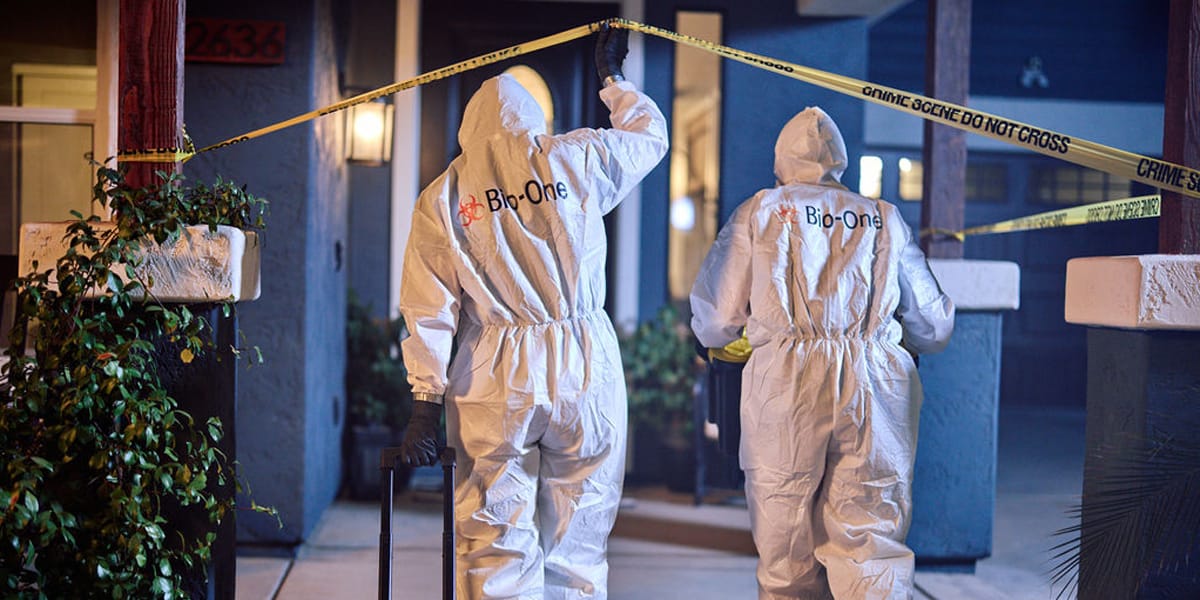
In a world where public health threats can emerge in the most unexpected places, the need for specialized, trustworthy remediation services has never been greater. Among the most dangerous of these threats is fentanyl, a potent synthetic opioid that poses severe risks even in minuscule quantities. When contamination occurs, whether from a manufacturing incident, illegal drug activity, or accidental exposure, the situation demands more than a standard cleanup—it requires expertise, precision, and unwavering safety protocols. For residents and businesses in the Baltimore area, one name stands above the rest: Bio-One of Towson.
Why Fentanyl Remediation is a Critical, Specialized Service:
Fentanyl is up to 100 times stronger than morphine and 50 times stronger than heroin. Just 2 milligrams—an amount small enough to fit on the tip of a pencil—can be a lethal dose. This potency means that cross-contamination on surfaces, in air ducts, or within porous materials presents a genuine danger to anyone who enters a space after an incident.
Standard cleaning methods are utterly ineffective and could increase the risk by dispersing particles. Proper remediation requires:
* Hazard Assessment: Understanding the source and extent of contamination.
* Advanced PPE: Technicians must use specialized, chemical-resistant personal protective equipment.
* Containment: Sealing off the affected area to prevent cross-contamination.
* Specialized Agents: Using industrial-grade decontamination solutions proven to break down fentanyl residues.
* Verification Testing: Post-remediation testing to scientifically confirm the space is safe for reoccupation.
Bio-One of Towson: Expertise You Can Trust:

So, what sets Bio-One of Towson apart as the top company for this critical service?
1. Science-Backed Protocols and Certification:
Bio-One of Towson doesn't just "clean"; they remediate using industry-leading, science-backed protocols. Their technicians are extensively trained and certified in hazardous material handling and opioid remediation. They stay current with guidelines from agencies like the EPA, OSHA, and the CDC, ensuring their methods are both effective and compliant.
2. Compassion and Discretion
Unlike standard restoration companies, Bio-One of Towson operates on a cornerstone of compassion. They understand that a fentanyl contamination event is often linked to tragic personal or community circumstances. Whether it's a family home, a rental property, or a business, they approach every situation with empathy, respect, and strict confidentiality. Their goal is to restore not just the property, but peace of mind.
3. A Full-Spectrum Hazard Response Team
While fentanyl remediation is a pinnacle of their specialty services, their expertise covers the full spectrum of biohazard situations:
* Crime & Trauma Scene Cleaning
* Unattended Death Cleanup
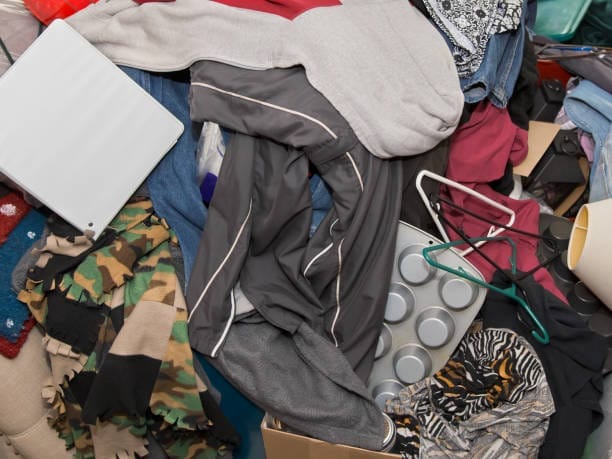
* Hoarding Remediation
* Virus & Pathogen Decontamination
* Mold Remediation
This broad experience with high-risk environments means they are uniquely prepared for the complexities and dangers of fentanyl cleanup. Their systematic approach to containment, decontamination, and verification is honed across countless critical situations.
4. A Commitment to Community Safety
Based in Towson and serving Baltimore County and the wider region, Bio-One of Towson is more than a service provider—they are a community asset. They work closely with property managers, landlords, healthcare facilities, and first responders to ensure that dangerous environments are made safe quickly and thoroughly, protecting future occupants and the broader public health.
The Bio-One Process: Safety from Start to Finish
When you call Bio-One of Towson for a fentanyl remediation, you can expect a structured, transparent process:
1. Immediate Response: 24/7 availability, because contamination risks don't keep business hours.
2. Detailed Assessment: A thorough evaluation to create a scope of work and protocol.
3. Clear Communication: You will be walked through every step of the plan.
4. Secure Remediation: Technicians execute the decontamination plan with meticulous care.
5. Verification & Documentation: The final and most critical step—providing proof that the area is safe.
Choosing the Right Decontamination & Remediation Company
Fentanyl contamination is not a DIY project. It requires a licensed, insured, and specially trained professional team. Choosing Bio-One of Towson means selecting a partner with the highest standards of safety, technical skill, and human understanding.
If you suspect or are facing a fentanyl contamination issue, do not attempt to handle it yourself. The risk is too great.
Contact Bio-One of Towson
Let their expertise, compassion, and unwavering commitment to safety restore your space to a state of security and well-being.
Bio-One of Towson: Helping First, Cleaning Up, and Restoring Safety to Our Community.
Phone: 443-846-2323
Email: info@bioonetowson.com
Website: https://www.bioonetowson.com
Disclaimer:
This blog post is for informational purposes. If you suspect fentanyl contamination, evacuate the area immediately, avoid disturbing any substances, and contact professionals like Bio-One of Towson and local authorities.
Responding with Care and Professionalism
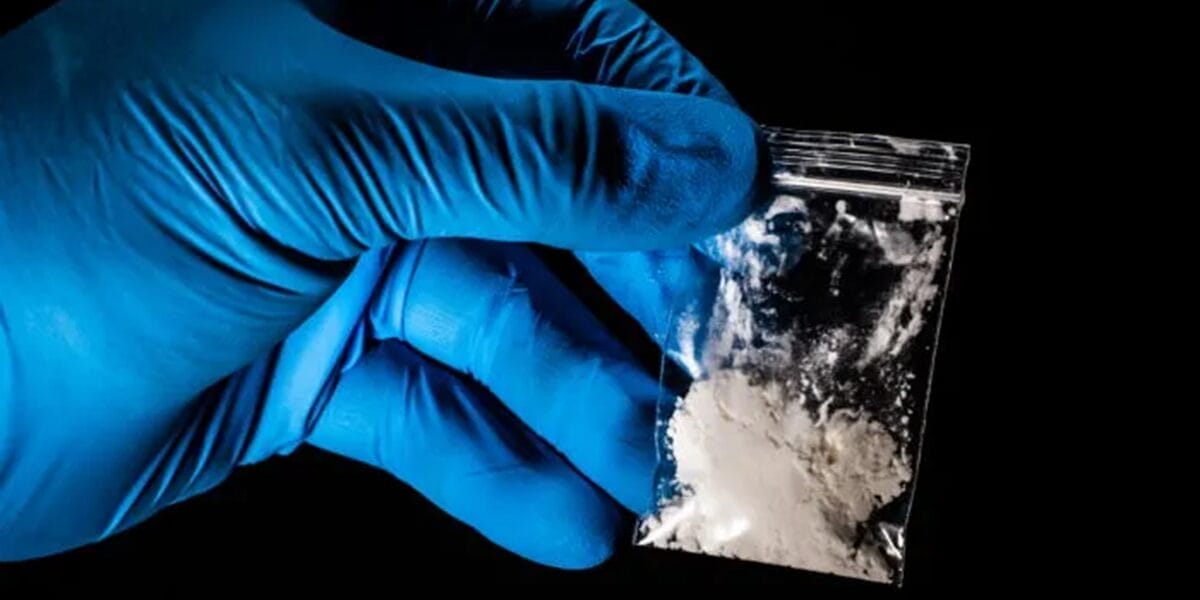
Bio-One of Towson responds to calls regarding opioid-related incidents that leave residential properties in Chambersburg and other areas of Franklin County unsafe for occupancy. These are biohazardous and quite dangerous. Recognizing the sensitivity of the situation, Bio-One of Towson deploys a specialized team trained in opioid scene remediation.
The team approaches the project with two guiding principles: compassion for those affected and precision in cleanup. Every step was performed in compliance with local, state, and federal safety regulations.
The Decontamination Process
Upon arrival, the Bio-One of Towson team conducts a full site assessment to determine the scope of contamination. Their process includes:
Special attention is given to porous materials such as carpets, upholstery, and subflooring, which often absorb contaminants and require complete removal to ensure complete remediation.
Protecting Health and Restoring Peace of Mind
Opioid contamination scenes can contain dangerous substances such as fentanyl residue, which poses serious health risks through skin contact or inhalation. By utilizing advanced personal protective equipment (PPE) and industry-best practices, Bio-One of Towson ensured the site was rendered safe for future occupancy.
Beyond the physical cleanup, the team understood the emotional weight of the situation. They worked discreetly and respectfully, coordinating closely with property owners and local authorities throughout the process.
A Commitment to Community Safety
Bio-One of Towson’s work in Chambersburg reflects the company’s broader commitment to helping Mid-Atlantic communities recover from traumatic and hazardous situations. Their mission goes beyond cleaning—it’s about helping people move forward in safe, sanitary environments.
Whether responding to opioid-related contamination, unattended deaths, or other biohazard situations, Bio-One of Towson continues to serve with professionalism, empathy, and unwavering dedication.
Conclusion
The successful decontamination of the opioid-affected site in Chambersburg stands as a testament to Bio-One of Towson’s expertise and compassionate approach. In moments when safety and sensitivity matter most, their team delivers both.
Here's how to reach us:
Phone: 443-846-2323
Email: info@bioonetowson.com
When communities face the aftermath of opioid-related incidents, professional biohazard decontamination plays a critical role in restoring safety, dignity, and peace of mind. Recently, Bio-One of Towson has been called upon to perform a comprehensive cleanup at an opioid-affected sites.

Responding with Care and Professionalism
Bio-One of Towson responds to calls regarding opioid-related incidents that leave residential properties in Gettysburg and other areas of Adams County unsafe for occupancy. These are biohazardous and quite dangerous. Recognizing the sensitivity of the situation, Bio-One of Towson deploys a specialized team trained in opioid scene remediation.
The team approaches the project with two guiding principles: compassion for those affected and precision in cleanup. Every step was performed in compliance with local, state, and federal safety regulations.
The Decontamination Process
Upon arrival, the Bio-One of Towson team conducts a full site assessment to determine the scope of contamination. Their process includes:
Special attention is given to porous materials such as carpets, upholstery, and subflooring, which often absorb contaminants and require complete removal to ensure complete remediation.
Protecting Health and Restoring Peace of Mind
Opioid contamination scenes can contain dangerous substances such as fentanyl residue, which poses serious health risks through skin contact or inhalation. By utilizing advanced personal protective equipment (PPE) and industry-best practices, Bio-One of Towson ensured the site was rendered safe for future occupancy.
Beyond the physical cleanup, the team understood the emotional weight of the situation. They worked discreetly and respectfully, coordinating closely with property owners and local authorities throughout the process.
A Commitment to Community Safety
Bio-One of Towson’s work in Gettysburg reflects the company’s broader commitment to helping Mid-Atlantic communities recover from traumatic and hazardous situations. Their mission goes beyond cleaning—it’s about helping people move forward in safe, sanitary environments.
Whether responding to opioid-related contamination, unattended deaths, or other biohazard situations, Bio-One of Towson continues to serve with professionalism, empathy, and unwavering dedication.
Conclusion
The successful decontamination of the opioid-affected site in Gettysburg stands as a testament to Bio-One of Towson’s expertise and compassionate approach. In moments when safety and sensitivity matter most, their team delivers both.
Here's how to reach us:
Phone: 443-846-2323
Email: info@bioonetowson.com
An undiscovered death is a traumatic event for families and property owners. Bio-One of Towson explains the importance of professional, compassionate hazardous cleanup to restore safety and a semblance of peace.
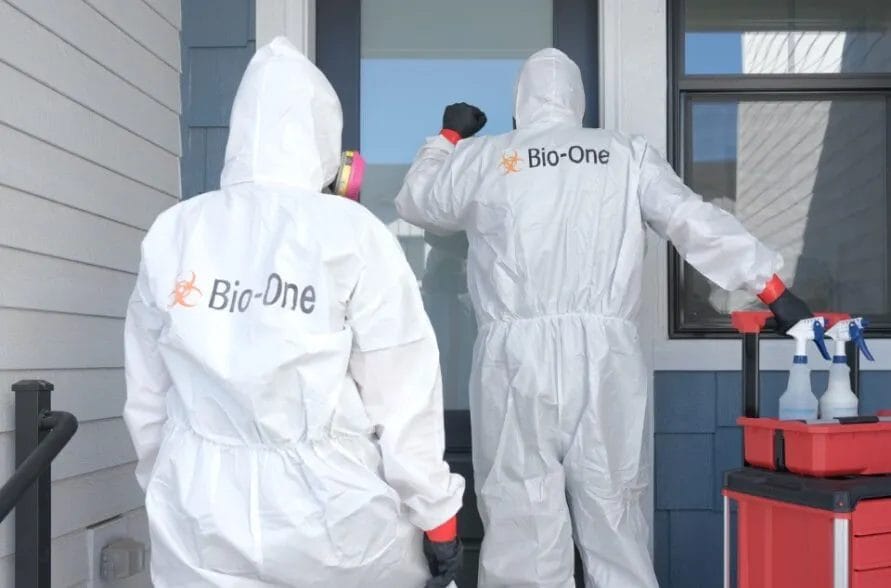
Here at Bio-One of Towson, we understand that life can present us with unimaginable challenges. Few situations are as emotionally devastating and logistically overwhelming as dealing with the aftermath of an undiscovered death. When a loved one passes alone and isn’t found for some time, the grieving process for families is compounded by a new, urgent problem: the biological cleanup of the scene.
Our hearts go out to anyone facing this reality. In these moments of profound grief, the last thing you should worry about is the complex and potentially dangerous process of cleaning and restoring the property. This is where our mission of Help First, Business Second guides everything we do.
When a human body decomposes, it breaks down naturally. This process releases bodily fluids and pathogens that can seep into porous materials like wood, drywall, and carpet. These fluids create:
Attempting to clean this yourself is not only emotionally traumatic but also physically dangerous. Without the correct training, equipment, and EPA-approved disinfectants, you risk exposure to harmful biohazards.
Our team is trained to handle these situations with the utmost discretion, respect, and efficiency. We are licensed, insured, and follow all federal and Maryland state guidelines for biohazard remediation.
Our process ensures that a property is not just cleaned, but restored to a safe and habitable condition:
If you are a property owner, landlord, or family member dealing with an undiscovered death, please remember:
The emotional weight of an undiscovered death is a heavy burden to carry. At Bio-One of Towson, we see it as our duty to lift the burden of cleanup from your shoulders. We allow you and your family the time and space to grieve and heal, knowing that the technical, hazardous aspects are being handled by empathetic, certified professionals.
If you need our help, please know that you can call us anytime, day or night. We are here to serve our Towson community with compassion, discretion, and expertise.
Bio-One of Towson
(443) 846-2323
info@bioonetowson.com
Bio-One of Towson is a leading crime scene and biohazard cleanup company serving the State of Maryland, Virginia, Pennsylvania, Delaware and District of Columbia. We help homeowners, businesses, and authorities with compassionate, professional cleanup services for traumatic scenes, unattended death, hoarding situations, homeless encampment, opioid decontamination (fentanyl and meth included) and more.
Hoarding cleanup can feel overwhelming—emotionally, physically, psychologically and financially. At Bio-One of Towson, we understand that the costs associated with hoarding cleanup can be a barrier for families seeking help. That’s why we’ve partnered with trusted financing providers to make the process more accessible and less stressful.
Cleaning a hoarded home is not like a regular deep clean. It often requires:
These can add up, and many families hesitate to move forward simply because of the price tag. Financing provides a path forward—so that cost doesn’t prevent loved ones from getting the help they need.
Bio-One of Towson works with financing partners who offer flexible payment options. These solutions allow families to spread out cleanup costs over time, rather than facing one large upfront expense. Features may include:
By offering financing, we aim to ease the burden so families can focus on healing and moving forward.
Hoarding situations often come with emotional layers—shame, fear, or anxiety about letting go. At Bio-One of Towson, we take a compassionate, judgment-free approach. Our technicians are trained not only in safe cleanup but also in supporting clients with patience and understanding. Financing is one more way we can show families they’re not alone in this journey.
If you or a loved one needs hoarding cleanup services but worry about the cost, Bio-One of Towson is here to help. With the support of our financing partners, you can move forward with confidence—knowing that a safer, healthier home is within reach.
We service the entire State of Maryland, Virginia, District of Columbia, Pennsylvania and Delaware.
Contact us at:
Phone: 4438462323.
Email: info@bioonetowson.com.
Website: https://www.bioonetowson.com

For immediate expert meth lab cleanup, call Bio-One of Towson anytime, 24/7, at (443) 846-2323 for discreet, compassionate cleanup. Our local experts are trained and equipped to manage all biohazardous conditions.
Meth, short for methamphetamine, is a powerful, highly addictive stimulant that affects the central nervous system. It is known by several other names, including "crystal meth," "crystal," "ice," and "glass," referring to its clear, crystal-like appearance in its most common form. Methamphetamine can be ingested by swallowing, snorting, injecting, or, most commonly, by smoking.
Meth works by increasing the amount of the natural chemical dopamine in the brain, which stimulates brain cells, enhancing mood and body movement. It produces a quick, intensely pleasurable "rush" or "flash," especially when smoked or injected, leading to its high potential for addiction.
The drug was initially developed in the early 20th century from its parent drug, amphetamine, and was used originally in nasal decongestants and bronchial inhalers.
Over the decades, its use and manufacture have become illegal except for limited medical purposes. Meth use is associated with severe health conditions, including memory loss, aggressive behavior, dental problems (commonly referred to as "meth mouth"), and severe weight loss. It also has significant social consequences, including long-term economic and emotional impacts on users and their communities.

The trend in methamphetamine use in the United States between 2015 and 2019 highlights a worrying and complex situation:
This expanding meth problem underlines the need for a comprehensive approach that includes education, improved treatment resources, and effective policy measures to curb the growth of methamphetamine use and prevent further deaths.

Meth labs can be established in a wide range of locations, demonstrating the adaptability and secrecy of operations by those involved in their production.
Here's a breakdown of common locations where meth labs are found:
The ubiquity and variability of meth lab locations underscore the complex challenges in controlling the spread of methamphetamine production and require coordinated efforts between law enforcement, environmental agencies, and communities.

Cleaning up a methamphetamine lab is a complex and hazardous task due to the dangerous chemicals and residues involved in the drug’s production.
The main risks include:
Due to these risks, meth lab cleanup typically requires specialized knowledge and equipment to safely and effectively remove all contamination and mitigate health hazards.

DIY cleaning of a meth lab is never a good idea and is extremely dangerous for several reasons:

Calling a local professional team to clean up a meth lab is crucial for several reasons:
Addressing the hazardous aftermath of meth labs is a matter of utmost urgency for both public health and environmental safety. The disturbing rise in methamphetamine usage and production underscores the need for professional, effective, and discreet meth lab cleanup services.
For immediate expert meth lab cleanup, call Bio-One of Towson anytime, 24/7, at (443) 846-2323 for discreet, compassionate cleanup. Our local experts are trained and equipped to manage all biohazardous conditions.